
Custom Machining Parts Lead Times: What Drives the Date and How to Plan a Custom Order
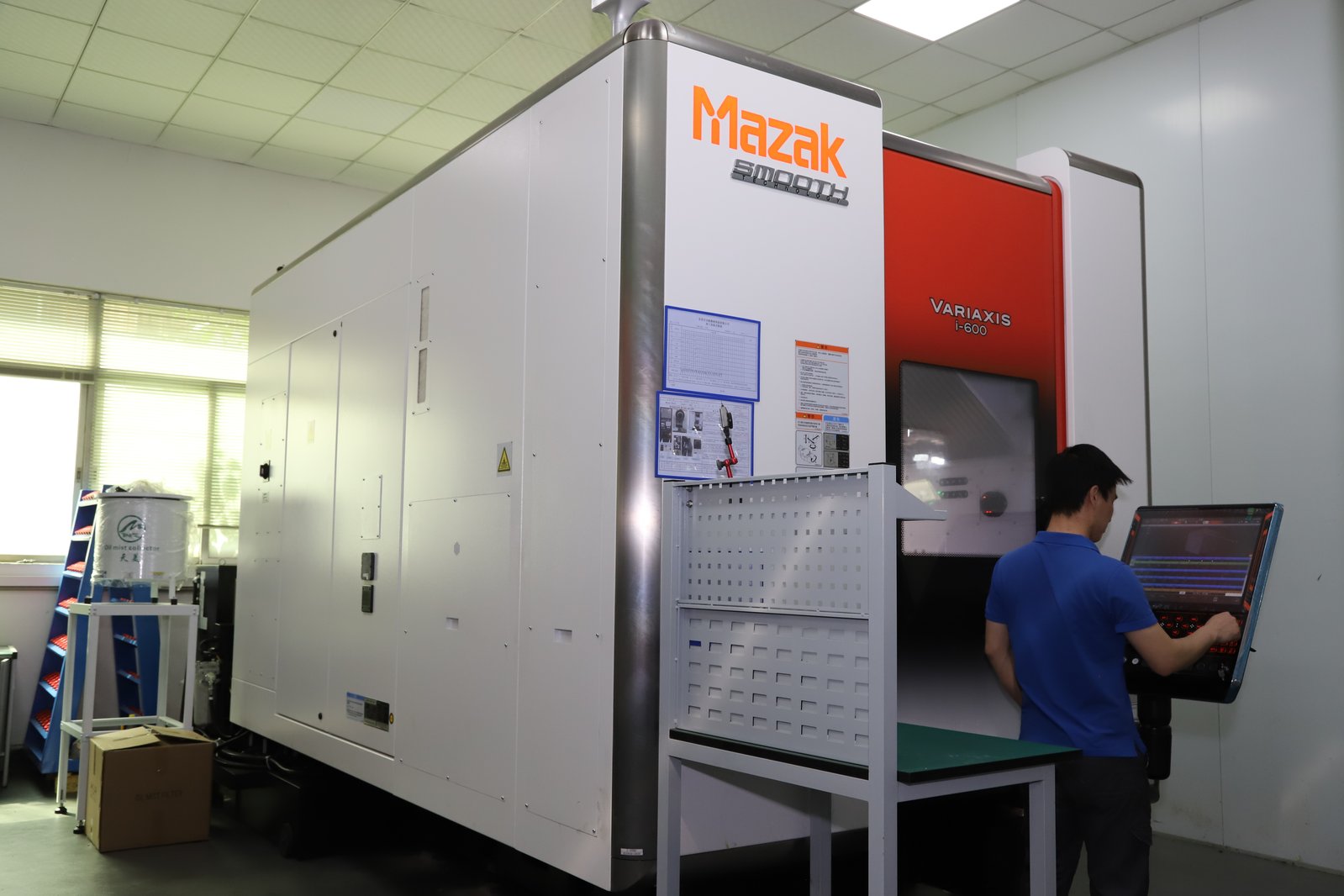
A custom machining parts lead time is the calendar cost of the decisions on your drawing. Material, process, surface finish, and the number of steps each one adds — the date you are quoted is the sum of that chain, and the buyer who understands the chain can plan an order that arrives on time without paying for speed that does not exist. This guide explains where the days actually go between your RFQ and the delivery, why material choice and finishing move a part across the 3 / 7 / 30-day tiers, and how to lock in a custom-parts date you can build a program around.
Why does the lead time of a custom part change with the drawing?
A machined part is made by an ordered list of steps, and the calendar is set by the length of that list, not by the size of the part. A simple aluminum bracket cut in one setup can be out the door in about three days. The same geometry in stainless steel with several operations and a passivation step, or in aluminum with a hard anodizing finish, moves into a different tier of scheduling, because every added step brings its own setup, its own queue, and its own wait.
That is why "how long will it take" depends so much on the material and finish decisions you make before you send the drawing. The material determines how the part is cut and whether the stock is on the rack or must be ordered in. The finish determines whether the part stops at the machined surface or goes through a batch process that runs on a schedule of its own. Both decisions belong in the RFQ, not in a follow-up email after the quote.
For a buyer, the useful question is not "what is your standard lead time." It is "what does my specification imply about the chain?" The factory's guide to choosing the right material for a custom machined part walks through the trade-offs that also drive the calendar, and the services page maps each process to what it adds. This guide connects those decisions to the date on your quote.
Where does the time actually go between your RFQ and the shipment?
Between the moment you send a drawing and the moment parts reach your dock, the calendar divides into a short list of stages. Naming them lets you see which one is eating your date:
- The RFQ exchange. A complete package — a STEP or IGES model, a toleranced 2D drawing, the material grade, the finish, the quantity, and your target date — lets the shop give you a material and finish recommendation plus a quote, usually within one business day. A vague request generates questions, and each round of questions costs a day before production has started.
- Material. If the right grade and stock form is on the rack, machining can start as soon as a machine is free. If the material must be ordered in, the clock starts at the supplier's schedule, and the incoming lot is verified against its certificate before it reaches the floor.
- Programming, setup, and the machining run. This is the stage people picture — chips flying — and it is often the shortest part of the calendar. Once the program is written and the fixture is set, a batch may occupy a machine for hours while the steps around it take days.
- Secondary processes. Anodizing, plating, heat treatment, and other finishing steps run after the cutting stops, each with its own queue and dwell time. This is the stage where quoted dates most often come apart.
- First-article inspection. The first part is measured against the drawing before the run is released, and the dimensional record is compiled with the shipment. On a quality-managed order this step is part of the product.
- Packing and freight. The parts leave the factory and the shipping leg runs to your dock on its own timetable.
The readout for planning: on most orders the longest wait is not the cutting. It is the queue in front of a process step, and on finished parts it is usually the finishing queue. Ask which step owns the longest wait on your part, and you will hear where your real lead time lives.
Where do the 3-day, 7-day, and 30-day tiers come from?
Custom machining parts lead times cluster into three honest tiers, and the boundary between them is set by the chain of steps on your drawing:
- Simple — roughly 3 days. Few operations, a single material, no finishing. A one-setup part from standard stock is the classic case.
- Standard — roughly 7 days. Multiple operations at standard tolerances. The part moves through a couple of setups or machines, but nothing runs through an external process.
- Complex — roughly 30 days. Many process steps, or any surface finishing or heat treatment. This is the tier where anodizing, plating, or a heat-treatment cycle enters the calendar, and where the date stops being a simple count of machine days.
The reason finishing pushes a part into the longer tier is mechanical: anodizing and heat treatment are processes with their own dwell time, and they run after the cutting stops. A machined blank might be ready in days, but a blank that then goes out for a finish has a second process with its own minimum batch and lead time. The 30-day tier is not a penalty — it is the honest length of that second clock.
This is also where the material decision enters the schedule. A stocked alloy in a common grade is the fast path. An alloy that must be ordered to the job adds a supplier-side wait before machining can start. A material that is hard to cut — titanium, the high-strength steels — runs slower on the machine and may need extra tooling and inspection steps. The material you pick sets not only what the part costs but how many days the chain needs.
How do material and finish decisions move a custom part across the tiers?
Three specification choices have an outsized effect on the calendar, and all three are made before the shop ever cuts metal:
- Material grade. Common aluminum and steel grades are stock items, which is one reason simple parts in those alloys move fast. Exotic grades, specialty plastics, and large bar or plate sizes are often ordered to the job, and the wait sits on the material supplier's calendar, not the machine shop's.
- Machinability. Aluminum machines fast, steel is moderate, and titanium or the hard alloys cut slowly with heavier tool wear. A part that needs extra operations because of the material — slower feeds, additional passes, specialized tooling — carries those extra days in its routing.
- Surface finish and heat treatment. Anodizing, plating, and heat treatment are batch processes that run on schedules of their own. Naming the finish on the RFQ lets the shop schedule it in parallel with machining; adding it after the quote means the date has to absorb a process that was never in the plan.
The practical rule: lock the material and the finish before you ask for a date, because the date is a function of both. A buyer who says "aluminum, no finish, three pieces" gets a 3-day answer that holds. A buyer who says "make it from the best material and add a nice finish" is asking the shop to choose the schedule for them, and the answer will carry the longest tier of whatever it picks.
What can quantity and program stage do to the calendar, and what can they not do?
Volume changes the run, not the chain. A thousand parts occupy a machine longer than three do, but the calendar is usually dominated by the waits before and after machining — material, finishing, first-article inspection. That is why the MOQ of one piece matters more than it sounds: a single prototype runs through the same chain as a production batch, so it tells you the real schedule and the real quality before you commit volume.
Program stage shapes the calendar in a subtler way. The first article of a new part carries the setup, the program proof, and the full inspection, which is why a prototype of a complex finished part needs roughly the same lead time as the production version. Each subsequent piece in a validated run adds comparatively little schedule time, because the process is already proved. If your program will iterate — a fit check, a function test, a revision, another build — the fastest way through the calendar is to make each round count: complete RFQ, frozen design, and same-day approval of the first-article report.
There is a real trade between speed and cost here, and it runs the same direction on the calendar as it does on the invoice. A prototype in the fast tier is expensive per part and ships quickly; a production run in the longer tier is cheap per part and slower. Knowing which tier your part belongs in keeps you from paying for speed that the chain cannot deliver, or waiting for a date that a simpler spec could have avoided.
How do you plan a custom machining parts order around a fixed launch date?
When a delivery date is fixed by your own schedule, the order has to be planned backwards from that date. The sequence below turns a vague "as soon as possible" into a date you can hold someone to:
- Send a complete package on the first message. The STEP or IGES model, a toleranced PDF drawing, the exact material grade, the finish, the quantities you care about, and your target date. A complete request gets a material and finish recommendation plus a quote within one business day, and it lets the shop tell you on day one whether your requested date holds.
- Ask which step owns the longest wait. You want to hear one operation named — the finishing batch, the material order, the inspection queue. That answer tells you what to watch, and it separates a date that was planned from one that was improvised.
- Lock the finish before the clock starts. If the part carries an anodizing or a heat-treatment cycle, name it on the RFQ so the shop can schedule the batch process alongside the machining. Adding it later is the fastest way to move your own order into a longer tier.
- Freeze the design between rounds. Every revision resets the affected steps — a changed geometry means a new program, a new setup, and a new first article. Batch your changes into one revision instead of several.
- Qualify with a one-piece prototype first. The MOQ of one piece exists for exactly this reason. Validate the material, finish, and fit on a single part, review the first-article report, then release volume, and you remove the most common reason a production date slips.
- Decide the freight leg and the Incoterm up front. Agree whether the date means dispatch or delivery before the quote is signed, and count the transit on top of the factory date.
- Put the date, the scope, and the documents in the PO. The agreed delivery date, the finish included, and the inspection reports that ship with the parts. When date-keeping is written into the order, everyone plans around the same number.
None of this guarantees a perfect calendar. What it does is convert a custom machining parts lead time from a hope into a mechanism you can watch: a known material path, a named bottleneck, and a checkable date. That is the difference between ordering parts and managing a supply of them.
Which questions turn a quoted custom-parts date into a date you can hold?
A small set of questions separates a delivery date that was engineered from one that was estimated, and each one is worth asking before you commit an order:
- Does this date include the finish and the inspection, or stop at the machined part? If finishing is not in the quoted date, the date is meaningless the moment you add anodizing or plating.
- Which process step carries the longest wait right now? The honest answer names a specific operation. A generic "we'll push it through" is not a plan.
- Is the material grade for this part in stock, or does it have to be ordered in? A grade ordered to the job adds a supplier-side wait before machining can start.
- Does the date mean dispatch from the factory or delivery to my dock? Under many Incoterms those two dates are separated by a freight leg and a customs clearance.
- What inspection and documentation ships with the parts? On a quality-managed order the dimensional record is part of the product, and it takes time to compile.
- What happens if the date slips, which step moved? A supplier who can name the step that slipped is managing the chain; one who cannot is managing a promise.
These questions work with any custom machining supplier, including this one. The factory's guide on how quality and inspection back a machined part explains how the evidence behind a date is produced, so you can check the claims before you sign an order. Use the same scrutiny on the calendar that you would use on the material certificate.
Frequently Asked Questions
What is a realistic lead time for custom machining parts?
Plan on roughly three days for a simple part with few operations and no finishing, about seven days for a standard multi-operation part, and around thirty days once a part runs through many process steps or carries surface finishing or heat treatment. The tier follows the process chain, so a date becomes firm only after the shop has seen the drawing and named the steps.
Why does surface finishing add so much time?
Because anodizing, plating, and heat treatment are batch processes with their own dwell time, and they run after the cutting stops. A machined blank might be ready in days, but a blank that goes out for a finish has a second process with its own queue and minimum batch. Naming the finish on the RFQ lets the shop schedule it in parallel; adding it later moves the order into a longer tier.
Does the material choice affect the lead time?
Yes. Common aluminum and steel grades in stock are the fast path; a grade that must be ordered to the job adds a supplier-side wait. And a hard-to-cut material such as titanium runs slower and may need extra tooling and inspection steps. Lock the exact grade on the RFQ so the shop can check stock before it promises a date.
Can a custom machining parts order be delivered faster than the quoted lead time?
Sometimes, but speed has to come from a real place. A part with no finishing and stocked material is already in the fast tier; a part with anodizing or heat treatment cannot skip the batch step without skipping the process. Name your target date up front and let the shop tell you which step can compress. A date that only works if the finish is quietly dropped is not a faster delivery — it is a different product.
Does a larger order quantity take longer to deliver?
Volume changes the run, not the chain. A production batch occupies a machine longer than a prototype does, but the calendar is usually dominated by the waits before and after machining — material, finishing, first-article inspection. That is why the MOQ being one piece lets you validate a design and its real schedule before committing to a longer run.
How many design revisions can fit in a month of prototyping?
It depends on whether each round carries finishing and how fast your own approval cycle moves. A simple no-finish part can cycle in days, which is what makes iteration possible. A part with anodizing or heat treatment adds a batch-process wait to every round. Make each round count — complete RFQ, frozen design, same-day first-article approval — to fit more cycles in the calendar.
What should a lead-time quote include before it counts as a commitment?
The date should state whether it includes the finish and the inspection or stops at the machined part, which step owns the longest wait, whether the material is held in stock, and whether the date means dispatch or delivery under the agreed Incoterm. A quote that names those is a commitment; one that names only a ship date is a hope.
Need a custom machining parts lead time you can actually put on a calendar?
Send the drawing, material grade, finish, quantity, and your target date to [email protected] or call +86 13126536955. You will get a material and finish recommendation plus a quote that names the process steps and the step that owns the longest wait, so the date you are promised is one you can plan around.